In this story
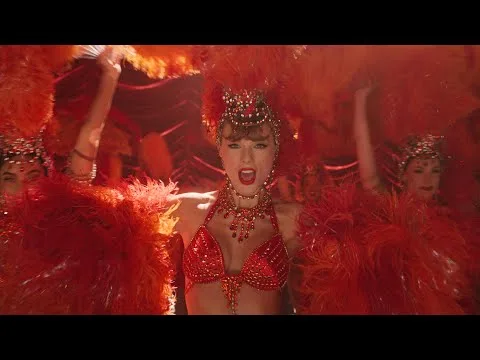
The Fate of Ophelia opens The Life of a Showgirl with a name that already carries a dramatic history. The song can then place its own relationship beside that inherited story, making the question of an ending part of the album’s entrance. The official video gives the opening another public form within the chapter’s theatrical visual identity.
Hear it first as a single, then return to its place before Elizabeth Taylor. Two familiar names begin the record by bringing older public images into a new sequence of songs. [1][2]
- Song
- The Fate of Ophelia
- Album
- The Life of a Showgirl
- Watch
- Official Taylor Swift YouTube video
Watch the video
The Fate of Ophelia — official music video
YouTube could not play this video here. Open it on YouTube to keep watching.
A familiar name gives the song another horizon
An allusion works partly through the listener’s prior associations. Someone may recognize the character, the visual tradition around her or only the emotional weight carried by the title. The song can still introduce a new voice, because its relationship does not have to replay every part of the older story.
The video belongs to a chapter whose official imagery prominently uses costume, feathers and staged glamour. That theatrical frame makes inherited roles an inviting subject: the performer is already visibly occupying a constructed public image. The title places another recognizable figure beside that image, giving the entrance several layers of expectation. [1][2]
The title track supplies company at the other end
The closing duet with Sabrina Carpenter returns to the album’s central showgirl role with another voice present. Heard after the opening, it makes a satisfying change of company: the record begins beside a familiar dramatic figure and ends with two contemporary performers sharing its named role.
Between those points, the twelve songs move through wishes, attachments and public images at different scales. Watch the video here, then follow the complete original sequence and the separate costume gallery. The recording and the photographs offer complementary entrances to a chapter whose spectacle is most interesting when a person remains visible within it. [2]