In this story
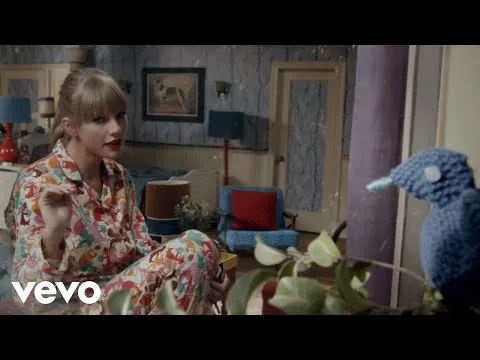
We Are Never Ever Getting Back Together makes the decision plain in its title. The pleasure is in how emphatically the song enjoys saying it again. Its official video gives that refusal a busy, playful screen world, letting a breakup response become something conspicuously public and entertaining.
On Red, the single sits among several very different ways to remember or leave a relationship. Its buoyancy matters partly because the surrounding album is capable of much more unsettled forms of recollection. [1][2]
- Song
- We Are Never Ever Getting Back Together
- Album
- Red
- Watch
- Official Taylor Swift YouTube video
Watch the video
We Are Never Ever Getting Back Together — official music video
YouTube could not play this video here. Open it on YouTube to keep watching.
A refusal can be playful and still be final
The hook uses repetition as a social gesture. It sounds like something that can be said to another person, recounted to a friend and then shouted with a crowd. That portability lets a private decision acquire a communal pleasure without losing the clarity of the answer.
The video’s overtly theatrical presentation suits that scale. It is enjoyable to see a blunt emotional position surrounded by visual activity rather than treated as a solemn announcement. Humor and emphasis can coexist: the narrator can have fun delivering the answer without reopening the question. [1][2]
Red remembers things the single wants to leave
All Too Well dwells inside a relationship’s remembered particulars, while I Almost Do remains caught by the temptation to make contact. Those songs allow a listener to hear what this single’s finality has pushed aside. The album can hold a confident refusal and an unresolved attachment without making either the universal breakup response.
Try the video beside the album’s original tracklist, then listen forward into Stay Stay Stay and The Last Time. The changes in tone and vocal company are part of Red’s appeal. Its brightest pop answer belongs within a record whose other voices are still asking what an ending means. [2]