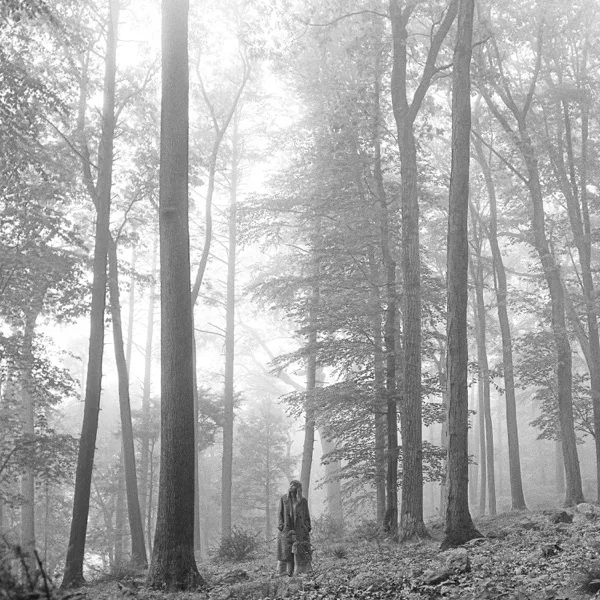
In this story
cardigan sounds like a memory that has been handled many times. Its narrator does not have to reconstruct every event in order to recognize its lasting shape. Objects, places and remembered gestures carry the argument, while a persistent piano figure gives the recollection somewhere to return.
Released with folklore on July 24, 2020, the original studio recording is the album’s second track. Its intimacy makes an effective entrance into a record full of changing perspectives. The voice can be close and certain without giving the entire story to one person. [2]
Listen to the song
Listen to the original studio recording from folklore.
An instrumental sketch becomes a remembered world
Swift and Aaron Dessner share the writing credit, and Dessner is the recording’s credited producer. Universal Music’s account describes Dessner sending instrumental material and receiving cardigan back with much of its lyric already formed. The collaboration began with a musical environment that could provoke a scene.
That relationship remains audible in the finished record. The piano figure provides continuity, but it does not dictate one fixed emotional expression. The vocal can move through confidence, tenderness and hurt while the accompaniment keeps a familiar route beneath it. A stable pattern becomes a setting for changing recollections.
The arrangement also gives remembered objects a particular weight. They arrive in a close sonic space instead of being shouted across a large pop chorus. The listener can feel how a small detail becomes important when someone has spent a long time returning to it. [3][4]
Objects do the remembering
The song makes clothes and everyday spaces carry emotional history. An object can suggest neglect, recognition or belonging depending on who is looking at it and what has happened around it. The title does not need to identify an expensive or spectacular thing. Its familiarity is part of its power.
The remembered relationship is similarly reconstructed through fragments. A gesture or a location can stand in for an entire period because the narrator already knows what it means. This is a persuasive model of recollection: memories rarely arrive as a perfectly ordered account, even when the person recalling them feels certain about their significance.
The vocal gives those fragments coherence. Its measured delivery makes the speaker seem practiced in the act of remembering. That confidence does not remove the hurt. It suggests the hurt has become familiar enough to describe without constantly sounding surprised by it. [3]
Knowing does not make a wound smaller
The narrator repeatedly gives knowledge a place in the story. The point is not simply that she was once mistaken. The song is interested in the difficulty of recognizing something clearly while still being affected by it. Understanding can coexist with longing, and remembering an ending does not make the earlier attachment unreal.
This tension separates the song from a simple account of innocence lost. The speaker’s authority comes partly from refusing the assumption that being young means being unable to understand an experience. Her recollections ask to be taken seriously, even when they concern situations that another person might prefer to minimize.
The persistent accompaniment supports that position. It does not sweep the memories away with a triumphant change of mood. It keeps returning, making the act of recognition sound durable. The voice can claim what it knew while the music acknowledges how often it has had to come back to the knowledge. [3]
What changes when august answers
Swift’s public explanation describes three songs exploring a teenage love triangle through different people and moments. cardigan, august and betty make that structure compelling because their speakers do not value the shared events in the same way. cardigan’s retrospective certainty sits beside august’s desire to make a temporary encounter feel lasting.
The musical contrast matters. cardigan remains close to its recurring piano environment. august expands into a much larger sweep. One voice can sound as though it has spent years arranging the memory; the other seems to keep creating space for a possibility that the memory cannot quite grant.
The companion video moves through a cabin, an enchanted landscape and open water before returning to the room. It gives the song’s intimacy an unexpectedly large exterior world. The recording holds recollection close; the film lets the emotional movement occupy whole environments. [3][4]