In this story
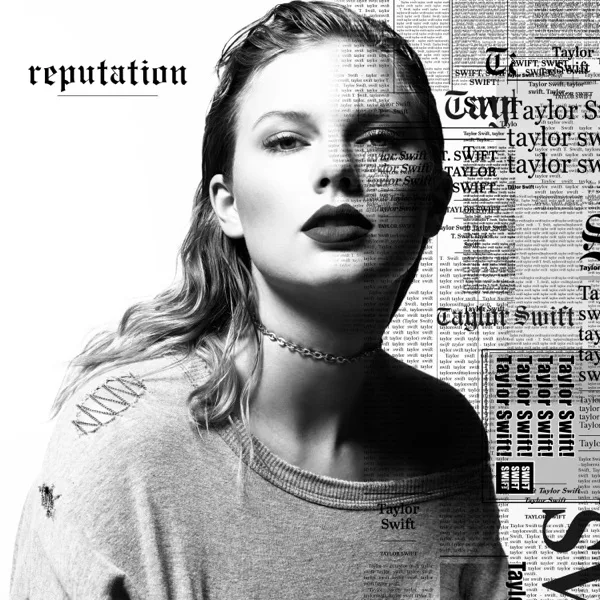
Look What You Made Me Do is built around refusal. Its chorus strips away the expansiveness expected from a big pop comeback and turns the title into a clipped, repeated insistence. Instead of a release of feeling, the hook gives us a character rehearsing an accusation.
That is why the song is more unsettling than a straightforward victory anthem. The speaker sounds emphatic, but the claim embedded in the title hands responsibility to someone else. The music turns that contradiction into a performance: control is asserted so repeatedly that its fragility starts to show.
Listen to the song
Listen to the original recording from reputation.
A chorus that withholds the expected payoff
The verses have more melodic movement than the chorus. When the hook arrives, repetition takes over and the vocal behaves almost like a rhythmic instruction. The result is memorable without being warmly inviting. That difference makes the title sound less like an explanation than a slogan someone is determined to keep in circulation.
The arrangement reinforces the performance with space around the voice. Rather than filling every moment with a large, sustained melody, the recording emphasizes attacks, pauses and repeated shapes. The listener is held at a slight distance. Its pleasure lies in the crispness and insolence of the delivery, not in the reassurance of a singalong resolution. [4]
Why Right Said Fred appears in the writing credits
The five credited writers include Fred and Richard Fairbrass and Rob Manzoli, the names behind Right Said Fred’s I’m Too Sexy. The group’s own account acknowledges their connection to Look What You Made Me Do and the earlier song’s influence. Swift and Antonoff are credited as the new recording’s producers.
That connection helps explain the hook’s strutting character. The chorus is economical, rhythm-led and openly theatrical; its repetitions carry attitude through delivery rather than through a complicated melodic journey. Hearing the older song alongside it brings that choice into focus. A familiar piece of pop swagger is repurposed inside a much darker presentation.
The credit also puts a brake on the tempting idea that the record was made by one person in total isolation. Its fierce first-person voice is the result of collaboration and a musical conversation that extends beyond the album. [2][3]
The album makes the single less self-contained
On reputation, this is track six. Delicate comes immediately before it, and So It Goes... comes after. Delicate’s uncertain approach to connection makes the next song’s certainty sound like a costume being put on. So It Goes... then shifts attention toward attraction and the charged atmosphere between two people.
The single can therefore do two jobs. Heard by itself, it is a confrontational announcement. In sequence, it is one extreme of a record that repeatedly moves between exposure and protection. Treating its tone as the tone of all fifteen songs misses what the surrounding tracks are doing.
The spoken telephone interruption extends the same theatrical logic. The song briefly becomes a scene, with a performed voice and a punch line about the disappearance of a former self. That miniature drama makes the companion video feel like an expansion of something already present in the audio. [1]
The video turns the character against herself
Joseph Kahn’s companion video fills the song’s singular voice with multiple versions of Swift. Its closing gathering of earlier personas changes the direction of the confrontation: the central figure is not only facing an outside audience, but also bickering with the images accumulated across her own career.
That ending is a useful counterweight to the chorus. A repeated accusation sounds simple; a crowd of incompatible selves makes it complicated. The joke lands because none of these highly recognizable versions is allowed to be the final, uncontested account of who the singer is. [4]