In this story
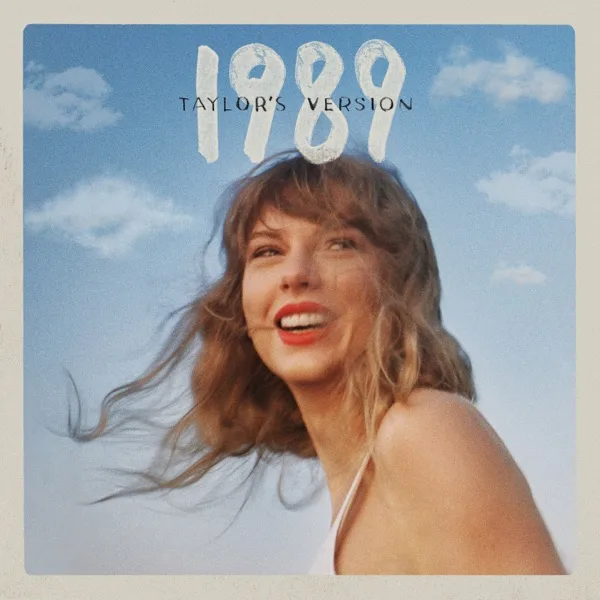
1989 (Taylor’s Version) recreates the original thirteen-track sequence, follows it with Wonderland, You Are In Love and New Romantics, and then introduces five From The Vault songs. The familiar city entrance remains, but the expanded ending supplies further accounts of visibility, leaving and the unfinished conversation after a relationship changes.
Released on October 27, 2023, exactly nine years after the original album, this twenty-one-song edition has a different recording identity from 2014’s 1989. The deluxe re-recording adds Bad Blood featuring Kendrick Lamar as a twenty-second track; that separate addition is not part of the twenty-one-track sequence listed here. [1]
Listen to the album
Listen to the 21-track Taylor’s Version edition, including its From The Vault recordings.
Tracklist [1]
-
01
Welcome To New York (Taylor's Version)3:32 Listen ↗
Listening note
The bright pulse and repeated title make arrival feel communal. Notice how the opening establishes motion before the album turns toward more unstable relationships. It is an unusually open invitation for a record that later spends so much time with secrecy, scrutiny and remembered conversations.
-
02
Blank Space (Taylor's Version)3:51 Listen ↗
Listening note
Listen to the space around the voice. Short phrases and clipped accents let the narrator switch expression without losing the song’s poise. The charm is part of the performance: the same clear pop surface that makes an invitation persuasive also makes a sudden threat stand out.
-
03
Style (Taylor's Version)3:51 Listen ↗
Listening note
The guitar figure gives the song a pattern to keep returning to. Its smooth forward motion sits beside a relationship that seems to circle back on itself. Notice how the chorus expands the scale without breaking that continuity; attraction sounds both effortless and difficult to leave.
-
04
Out Of The Woods (Taylor's Version)3:55 Listen ↗
Listening note
The repeated question becomes a pulse of anxiety. As the arrangement gains force, the refrain feels less like a request for information and more like a thought that cannot stop running. Stay with the later expansion: the increased scale intensifies the need for reassurance rather than supplying it.
-
05
All You Had To Do Was Stay (Taylor's Version)3:13 Listen ↗
Listening note
The high, punctuating vocal turns a simple instruction into a memorable sound. Under the brisk pop surface, the song is considering a refusal that arrived too late to reverse. Listen for the difference between the urgency of the arrangement and the narrator’s insistence that the required action had once been straightforward.
-
06
Shake It Off (Taylor's Version)3:39 Listen ↗
Listening note
The rhythmic bounce makes dismissal something the body can perform. Its energy changes the album’s pace after several scenes of unstable attraction. Listen to the spoken transition and the returning chorus: the song makes renewed participation in the fun part of its answer to the surrounding noise.
-
07
I Wish You Would (Taylor's Version)3:27 Listen ↗
Listening note
Quick movement and tightly repeating figures suit a conversation imagined after the opportunity has passed. The song feels propelled by what its speaker wants to say. Notice how the wish does not settle the situation; the forward drive keeps the unsent response alive.
-
08
Bad Blood (Taylor's Version)3:31 Listen ↗
Listening note
The repeated declarations make conflict feel collective and exposed. Compared with Blank Space’s changes of character, the song is more insistently fixed on an accusation. This standard album track is the original recording, rather than the later single remix featuring Kendrick Lamar; the vocal arrangement and credits belong to different versions.
-
09
Wildest Dreams (Taylor's Version)3:40 Listen ↗
Listening note
The vocal restraint and expansive chorus place a small imagined memory inside a large, luminous frame. The speaker is already thinking about how the encounter will be recalled. Listen for the tension between that advance awareness of an ending and the pleasure of inhabiting the scene while it lasts.
-
10
How You Get The Girl (Taylor's Version)4:07 Listen ↗
Listening note
The upbeat movement gives a practical instruction an appealing ease. The song rehearses a possible return, imagining the actions that would make an apology convincing. Its brightness works because the outcome remains hypothetical: the narrator can arrange the scene more neatly than a real reunion might allow.
-
11
This Love (Taylor’s Version)4:10 Listen ↗
Listening note
The sustained layers slow the record’s motion and soften its edges. A returning feeling is allowed to gather gradually rather than arrive as an abrupt reversal. Notice how the larger passages retain that suspended atmosphere; the song creates room for recurrence without turning it into another chase.
-
12
I Know Places (Taylor's Version)3:15 Listen ↗
Listening note
The tight, urgent delivery gives intimacy the character of an escape plan. The vocal and rhythmic pressure make the threat feel close, while the larger refrain imagines a place beyond it. Its position before Clean matters: concealment is one possible relief, but the album’s final song will find another.
-
13
Clean (Taylor's Version)4:31 Listen ↗
Listening note
Delicate textures leave room around the voice as the song describes an attachment losing its hold. The relief is measured rather than explosive. After the album’s many pursuits and recurring conversations, this quieter sense of distance makes an effective last word for the original standard sequence.
-
14
Wonderland (Taylor's Version)4:05 Listen ↗
Listening note
A romantic setting becomes an unstable imagined world. The additional track extends the original chapter’s interest in attraction and disorientation.
-
15
You Are In Love (Taylor's Version)4:27 Listen ↗
Listening note
Small observed acts make a relationship recognizable. The quieter attention contrasts with the more dramatic poses elsewhere in the record.
-
16
New Romantics (Taylor's Version)3:50 Listen ↗
Listening note
Collective pleasure becomes a way to inhabit disappointment together. The bright arrangement gives the deluxe-era run an outward-facing release.
-
17
"Slut!" (Taylor's Version) [From The Vault]3:00 Listen ↗
Listening note
A public label is approached within a more suspended romantic atmosphere. The song separates the surrounding judgment from the value of the encounter.
-
18
Say Don't Go (Taylor's Version) [From The Vault]4:39 Listen ↗
Listening note
A plea to remain acquires an insistent, expansive chorus. The repeated appeal makes the possibility of departure increasingly difficult to hold off.
-
19
Now That We Don't Talk (Taylor's Version) [From The Vault]2:26 Listen ↗
Listening note
The aftermath of lost contact arrives with brisk clarity. Its compact shape makes a changed social role sound newly manageable.
-
20
Suburban Legends (Taylor's Version) [From The Vault]2:51 Listen ↗
Listening note
A hoped-for future is reconsidered through an imagined shared story. The song makes aspiration and hindsight compete for the same picture.
-
21
Is It Over Now? (Taylor's Version) [From The Vault]3:49 Listen ↗
Listening note
A final question refuses to let a separation become fully settled. The expanded album ends with recurrence rather than Clean’s earlier release.
The thirteen-song journey still ends with Clean
The original route from Welcome To New York to Clean remains intact. That is worth hearing as a complete sequence before treating the vault songs as the album’s new center. The record still moves through staged romance, recurring attraction, pursuit and eventual release, with each track changing the pressure on the next.
Wonderland, You Are In Love and New Romantics then make their own three-song run. An unstable imagined world gives way to the small observations that make a connection recognizable, before the last song finds a more public, collective form of pleasure. These were already part of the 2014 deluxe chapter, now performed again.
The re-recording invites attention to familiar details without requiring every difference to settle a competition between versions. A changed emphasis may make a lyric easier to hear; a listener may also remain attached to the texture of an earlier performance. The recordings can offer distinct listening experiences while sharing the same composition. [1]
The last five tracks reopen the conversation
The vault run moves from the more suspended atmosphere of “Slut!” to Say Don’t Go’s plea, then into the brisk assessment of Now That We Don’t Talk. The changes are effective because the new songs do not all offer the same degree of emotional distance. A desire to remain and the relief of no longer performing compatibility can belong to the same broader chapter.
Suburban Legends makes another imagined future unstable, and Is It Over Now? ends with a question whose repetition resists a clean separation. That is a notably different stopping place from Clean. The expanded edition can reach release within the original core, then return to a less settled aftermath.
For a useful first comparison, hear the original thirteen tracks and their re-recordings in the same order, then listen to the final five as one short sequence. The vault material is most revealing when it can establish its own pacing rather than appearing only as isolated clues to an old relationship. [1]